THE ARCHITECT VS. THE BUILDER: UNDERSTANDING THE DIVIDE
When people talk about "making a website," they often use the terms web design and web development interchangeably. However, in the professional world, these are two distinct disciplines that require vastly different skill sets, tools, and mindsets. To use a classic analogy: if a website were a house, the web designer would be the architect and interior designer, while the web developer would be the structural engineer and the contractor. One focuses on how the space feels and looks, while the other ensures the plumbing works and the walls stay up.
Web design is primarily concerned with the visual and experiential aspects of a site. It’s about the "front-facing" elements that a user touches, sees, and interacts with. A designer’s goal is to create a digital environment that is not only beautiful but also intuitive. They spend their time thinking about color psychology, typography, and "user flows"—the specific path a visitor takes to get from the homepage to a checkout screen. Without good design, a website can be powerful but unusable, leaving visitors frustrated by a cluttered layout or confusing navigation.
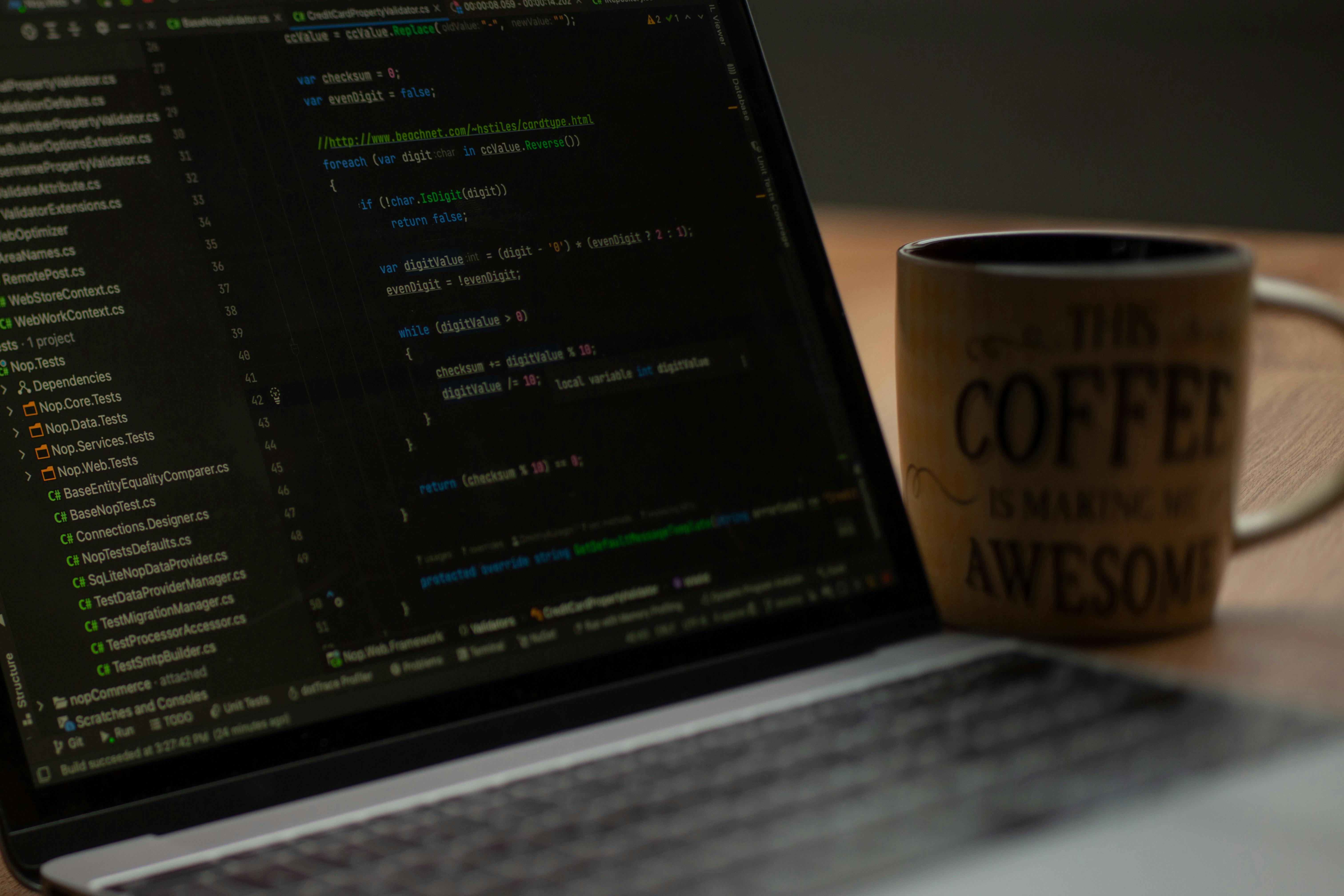
On the flip side, web development is the invisible engine that powers those visuals. While a designer creates a "static" mockup of what a page should look like, the developer writes the actual code that makes those buttons clickable and those forms functional. Development is deeply rooted in logic and problem-solving. It involves managing servers, organizing databases, and ensuring that the site loads quickly across a dozen different browsers. Without development, a design is just a pretty picture; it has no life, no interactivity, and no way to process data.
Getty Images ExploreTHE DESIGNER’S TOOLKIT: CREATIVITY AND EMPATHY
The work of a web designer begins long before a single line of code is written. It starts with empathy—understanding the target audience and their needs. Designers often specialize in two sub-fields: User Interface (UI) and User Experience (UX). UX designers conduct research and create "wireframes," which are essentially skeletal blueprints of a site’s structure. They test how easily a human can navigate a menu or find a contact button. UI designers then take those blueprints and add the "skin," choosing the specific shades of blue, the weight of the fonts, and the style of the icons to match a brand’s identity.
Unlike developers who live in code editors, designers spend their day in visual software like Figma, Adobe XD, or Sketch. These tools allow them to create high-fidelity prototypes that look exactly like a finished website but are actually interactive "fakes." This allows clients to provide feedback on the look and feel before the expensive and time-consuming work of development begins. A great designer is a master of visual hierarchy, knowing exactly how to use white space and contrast to draw the reader's eye to the most important information on the screen.
In today's mobile-first world, designers also carry the heavy burden of "responsive design." They must imagine how a wide desktop layout will gracefully collapse into a narrow smartphone screen without losing its aesthetic appeal. This requires a deep understanding of flexible grids and scalable assets. They aren't just making a page; they are making a fluid system that must look perfect regardless of whether the user is on a 30-inch monitor or a 5-inch phone. It is a delicate balance of artistic vision and technical constraint.
THE DEVELOPER’S REALM: LOGIC, LANGUAGES, AND LAYERS
Once the design is finalized, the web developer takes over. This role is typically split into three categories: Frontend, Backend, and Full-Stack. Frontend developers are the bridge between the designer and the machine. They use "the holy trinity" of web languages—HTML (the structure), CSS (the style), and JavaScript (the movement)—to translate the designer's Figma files into a live browser environment. They ensure that the animations are smooth, the layout is pixel-perfect, and the site is accessible to users with visual impairments who use screen readers.
Backend developers, meanwhile, work in the "engine room" that the user never sees. They deal with the server-side logic, using languages like Python, PHP, or Ruby, and managing databases like SQL. If you log into a website or buy a product, it is the backend developer who ensured your password was encrypted and your credit card was processed correctly. Their work is about security, efficiency, and data integrity. While a designer focuses on the "look," a backend developer focuses on the "stability" and "speed" of the system.
Finally, Full-Stack developers are the "polymaths" of the web world, capable of working on both the visual frontend and the logical backend. While they might not be as specialized in high-end visual design as a dedicated UI artist, they understand the entire lifecycle of a web request. In modern development, this also involves working with frameworks like React, Vue, or Node.js, which allow for building highly complex, "app-like" experiences in the browser. They are the problem-solvers who ensure that all the different pieces of the digital puzzle fit together perfectly.
COLLABORATION: THE SECRET SAUCE OF SUCCESS
While we often talk about these roles as separate, the best websites are the result of a tight, collaborative loop between the two. A designer who understands basic code will design things that are technically feasible, avoiding "impossible" layouts that would slow down the site's performance. Conversely, a developer who has a "design eye" will notice when a button is two pixels off-center or when an animation feels jarring. This cross-pollination of skills is what separates a professional, high-end website from a generic template.
The handoff process is the most critical moment in any project. In modern workflows, developers are often brought into the design phase early to provide "reality checks" on complex features. For example, a designer might propose a beautiful 3D interactive map, and a developer might point out that it would take ten seconds to load on a 4G connection. By working together, they can find a middle ground—perhaps a high-quality 2D map with subtle animations—that satisfies the aesthetic vision without compromising the user's experience or the site's speed.
Ultimately, whether you are looking to hire a professional or start a career, it’s important to recognize that web design and web development are two sides of the same coin. One is about the "Why" and the "How it feels," while the other is about the "How" and the "How it functions." In a successful project, you cannot have one without the other. They are the dual pillars that support every successful brand on the internet, turning a simple URL into a powerful, interactive destination that converts visitors into customers.